
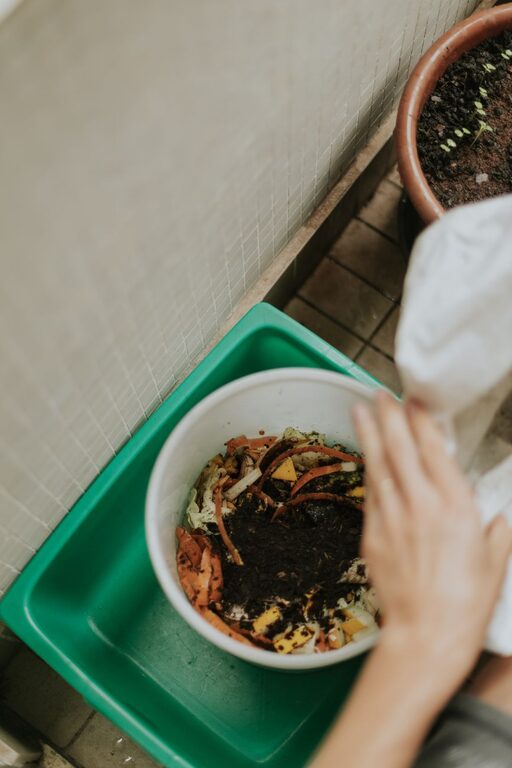
Beginner Tips for Composting at Home: Easy Steps to Start
Composting at home is a fantastic way to reduce waste, enrich your garden soil, and support a more sustainable lifestyle. If you’re new to composting, the process might seem confusing at first, but with a few simple tips, you can start turning your kitchen scraps and yard waste into valuable compost right away. This guide will walk you through the basics and help you maintain a healthy compost pile at home.
What is Composting?
Composting is the natural process of recycling organic matter, like food scraps and yard waste, into a nutrient-rich soil amendment called compost. This material helps plants grow by improving soil structure, increasing moisture retention, and providing essential nutrients.
Why Compost at Home?
– Reduce Waste: Composting diverts a significant amount of organic waste from landfills.
– Save Money: Use homemade compost as a natural fertilizer instead of buying commercial products.
– Improve Garden Health: Compost enhances soil fertility and structure.
– Support Sustainability: Composting lowers your carbon footprint by reducing methane emissions from landfills.
Getting Started: Beginner Tips for Home Composting
1. Choose the Right Composting Method
There are different ways to compost at home depending on your space, time, and preferences:
– Compost Bin: Ideal for small yards or patios. Bins contain the materials and keep pests away.
– Compost Pile: A simple heap in your yard works well if you have space.
– Tumbler: A rotating bin that speeds up decomposition and makes turning the compost easier.
– Vermicomposting: Uses worms to break down food scraps indoors, great for apartments.
2. Find a Good Location
Pick a dry, shady spot with good airflow for your compost bin or pile. This helps maintain moisture and temperature, both essential for decomposition.
3. Know What to Compost: Greens and Browns
Successful composting depends on balancing two types of materials:
– Greens (Nitrogen-rich): Kitchen scraps like fruit and vegetable peels, coffee grounds, tea bags, fresh grass clippings.
– Browns (Carbon-rich): Dry leaves, shredded paper, cardboard, straw, wood chips.
A good rule of thumb is to use about 2-3 parts browns to 1 part greens. Too many greens make the pile smell, too many browns slow the process.
4. Avoid Composting These Items
Not everything belongs in your compost pile. Avoid adding:
– Meat, fish, dairy, or oily foods (can attract pests and smell bad)
– Diseased plants (may spread disease)
– Pet waste (can contain harmful bacteria)
– Invasive weeds or plants treated with pesticides
5. Chop or Shred Materials
Cutting or shredding your scraps into smaller pieces speeds up decomposition by increasing the surface area for microbes to work on.
6. Maintain Moisture and Aeration
Your compost pile should be damp like a wrung-out sponge:
– If too dry, add water or more greens.
– If too wet, add dry browns and turn the pile to introduce air.
Turning or mixing your compost every 1-2 weeks helps oxygenate it and speeds up breakdown.
7. Be Patient
Composting takes time—usually 3 to 6 months—depending on the materials, temperature, and maintenance. Finished compost looks dark, crumbly, and smells earthy.
8. Harvest and Use Your Compost
Once ready, use your compost in your garden beds, pots, or lawn as a top dressing or soil mix to boost plant health and growth.
Troubleshooting Common Composting Issues
– Bad Odors: Usually caused by too many greens or lack of air. Turn the pile and add browns.
– Pile Not Heating Up: Add more greens and turn the pile to encourage microbial activity.
– Slow Decomposition: Chop materials finer, keep pile moist and aerated.
– Pests: Use a closed bin and avoid adding meat or oily foods. Cover fresh scraps with browns.
Final Thoughts
Starting composting at home is easier than it may seem, and the benefits are worth the effort. With a little practice, you’ll enjoy reducing waste and creating rich compost that helps your plants thrive. Remember to balance greens and browns, keep your pile moist and aerated, and be patient. Happy composting!
