How to Choose a Notebook You’ll Actually Use Every Day
Choosing the right notebook is more than just picking something pretty off the shelf. The perfect notebook can keep you organized, inspire creativity, and make writing or planning a pleasure rather than a chore. But with so many options available, how do you select one that you’ll actually use? This guide will walk you through the key things to consider when choosing your next notebook.
Why Choosing the Right Notebook Matters
A notebook is a personal tool. Whether you’re using it for work notes, journaling, sketching, or managing your schedule, the right notebook can motivate you to write more often. On the other hand, a notebook that doesn’t meet your needs can quickly end up forgotten on a shelf.
When you choose thoughtfully, you’ll:
– Feel more motivated to capture your ideas
– Stay organized and keep all your notes in one place
– Improve your productivity and creativity
Consider Your Purpose
Before shopping, think about how you’ll use the notebook. Different uses call for different features.
Journaling or Personal Writing
If your goal is journaling or personal reflections:
– Look for notebooks with a pleasant texture and weight that feel good to hold
– Consider lined or dotted pages for neat writing
– Think about paper quality if you enjoy using fountain pens or colored inks
Work or Study Notes
For work or study:
– A notebook with numbered pages or a table of contents can help you keep track of notes
– Durable covers protect your notes when transporting your notebook
– Size matters — a larger notebook offers space for detailed notes, while smaller sizes are easier to carry around
Planning and To-Do Lists
If you’re using it for planning:
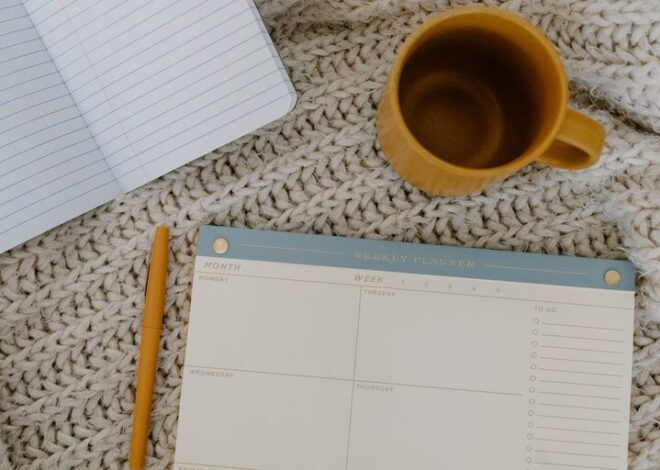
– A notebook with pre-printed layouts like calendars or to-do lists can save time
– Consider bullet journals or grid pages for flexibility
Sketching and Creative Work
For drawing or brainstorming:
– Thick, unlined paper that can handle markers or paint is ideal
– Spiral-bound notebooks lay flat, making drawing easier
Size and Portability
Notebooks come in many sizes, each with pros and cons.
– Pocket-sized (A6 or smaller): Easy to carry everywhere but limited writing space
– Medium-sized (A5): A popular balance — portable yet roomy enough for comprehensive notes
– Large (A4 or bigger): Great for extensive notes or sketching, but bulkier to carry
Think about where you’ll use the notebook most. If you’re often on the go, portability might be a priority.
Binding Types: What Works Best for You
The way your notebook is bound affects how it feels and functions.
– Spiral binding: Folds back easily and lies flat, good for writing on the go
– Thread-sewn binding: More durable and allows the notebook to lie flat; often used in high-quality notebooks
– Perfect binding (glued spine): Looks sleek but may not lay flat easily
Try different types to see what feels comfortable for you.
Paper Quality and Writing Experience
Paper quality can make a big difference, especially if you use certain pens or markers.
– Paper weight: Measured in grams per square meter (gsm), thicker paper (80gsm and above) is less likely to bleed or feather.
– Texture: Some prefer smooth paper for fast writing, while others like a bit of tooth to grip the pen.
– Color: White, cream, or off-white papers affect the contrast and reading experience.
If possible, test writing on the paper before buying.
Page Layout: Lines, Grids, or Blank?
Your choice here depends on what you’ll be doing.
– Lined pages: Best for writing and note-taking
– Grid or dot grid: Great for bullet journaling, drawings, or graphs
– Blank pages: Ideal for sketching and more freeform creativity
Some notebooks combine these layouts, so consider your flexibility needs.
Cover Material and Durability
Your notebook cover protects your pages and reflects your style.
– Hardcover: Offers better protection and a sturdy writing surface
– Softcover: Lightweight and flexible but may wear out faster
– Leather or faux leather: Durable and elegant but usually pricier
– Eco-friendly materials: Made from recycled or sustainable materials for environmentally conscious choices
Additional Features to Look For
Some features can make a notebook more enjoyable and functional:
– Bookmarks or ribbons: Easy to mark your place
– Elastic closure bands: Keep your notebook securely closed
– Expandable pockets: Great for storing loose papers or notes
– Numbered pages or index: Helpful for organization
Budget Considerations
Notebooks range from a few dollars to premium luxury options. Decide your budget ahead of time and try to find the best quality within it. Remember, investing in a notebook you love can save money by avoiding waste and the frustration of unused notebooks.
Test Before You Commit
If possible, visit a store to feel the notebook in your hands. Write a few lines to test how it feels and how your favorite pens perform on its pages. Online reviews and unboxing videos can help if you’re buying online.
Tips for Making the Most of Your Notebook
Once you have your notebook, make it a habit to use it daily:
– Set a regular time to write or review your notes
– Personalize it with stickers, tabs, or color coding
– Use it actively for planning, reflecting, or creativity to build a stronger connection with it
Final Thoughts
Choosing a notebook is a personal decision, but by considering your purpose, size, binding, paper quality, and features, you can find one that truly fits your needs and inspires you to write more often. With the right notebook, you’ll enjoy capturing your thoughts, ideas, and plans every day. Happy writing!